
What I offer
I work collaboratively with diverse clients—including international organizations, UN agencies, NGOs, and consulting firms—to deliver impactful, rigorous, and evidence-based research & analysis.
Evaluation
Developing feminist MEAL frameworks, collecting and analyzing evaluation data, and translating findings into actionable and impactful insights.
Producing high-quality briefs, reports, and visual materials that translate evidence into accessible knowledge for diverse audiences.
Research
Designing and conducting feminist-informed research, including desk and literature reviews, qualitative and descriptive quantitative analysis, writing, and editing.
Capacity-building
Knowledge translation
Designing and facilitating trainings, workshops, and teaching sessions tailored to diverse audiences and sectors.
Proposal writing
Writing impactful, evidence-based proposals tailored to diverse donors and funding priorities.









Strategic advice
Providing strategic guidance on gender mainstreaming, conflict- and gender-sensitive design, methodologies, and programming.


Thematic expertise
Women, Peace and Security
Applying a gender lens to peace and security, from Resolution 1325 and related norms to gender in armed conflict, peacebuilding, post-conflict recovery, governance, security sectors, and feminist foreign policy.
Gender and disarmament
Integrating gender perspectives into arms control, disarmament, and non-proliferation, with expertise in humanitarian mine action, small arms control, and the gendered impacts of explosive weapons & armed violence.


Gender in humanitarian action
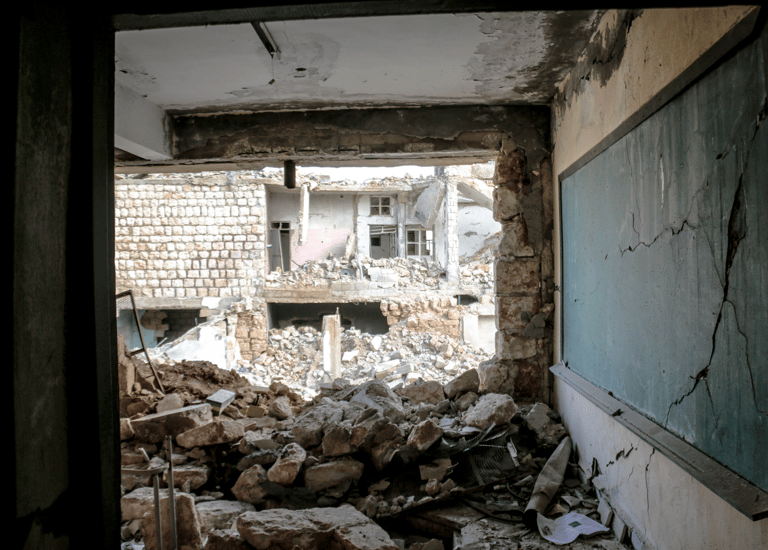
Using a gender-sensitive approach to humanitarian action, including protection, gender-based violence, displacement, crisis response, and equitable access to assistance and services.
Gender and development
Integrating gender and intersecting dimensions of identity into international development assistance, with a focus on girls’ education, health, climate resilience, access to resources, and locally-led development.
I am offering thematic and technical expertise across the humanitarian–development–peace nexus in the following areas:
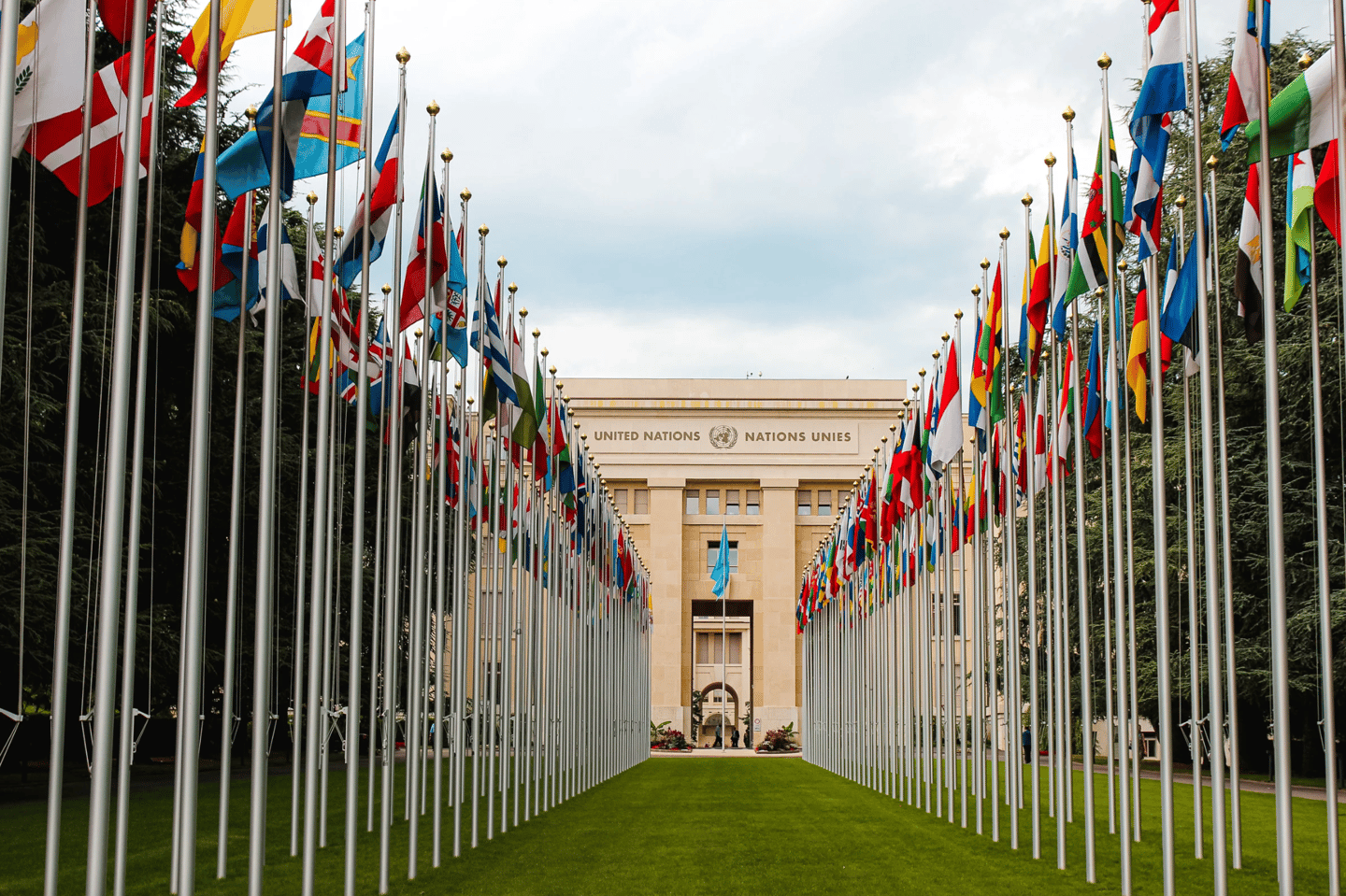
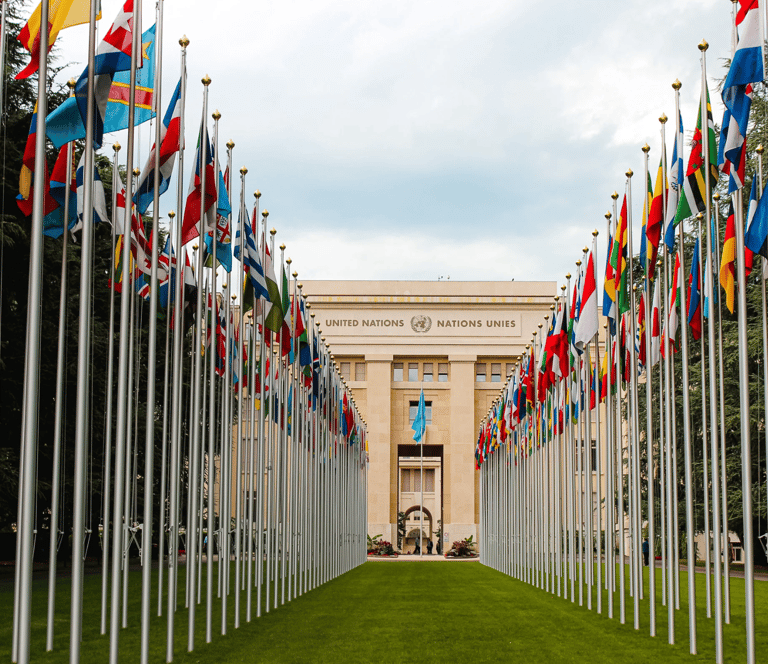
Clients and partners I have worked with











Portfolio highlights
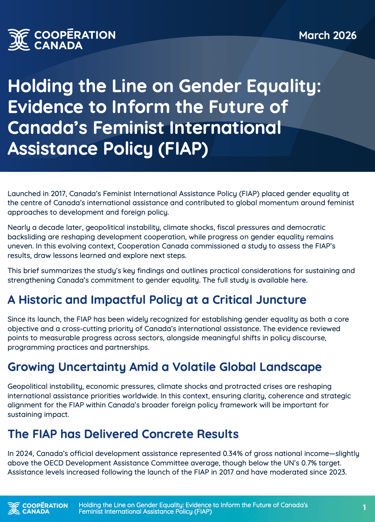
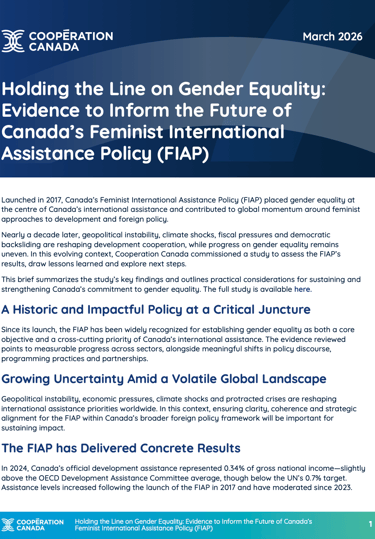
This study, commissioned by Cooperation Canada and funded by Global Affairs Canada, synthesizes and evaluates the Feminist International Assistance Policy (FIAP)'s outcomes, challenges, and lessons learned through desk review and survey data.
Cooperation Canada (2026)
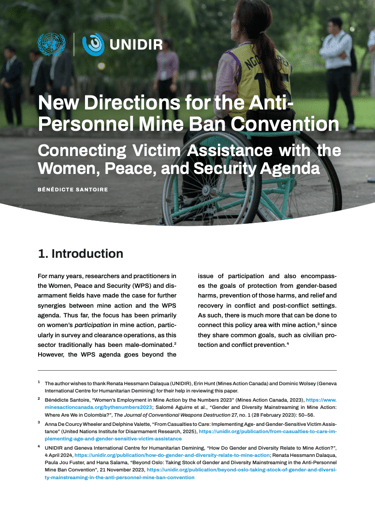
UN Institute for Disarmament Research (2025)
This research brief examines the connection between the Women, Peace and Security Agenda and the Anti-Personnel Mine Ban Convention by offering recommendations on how to better align both frameworks for victim assistance.
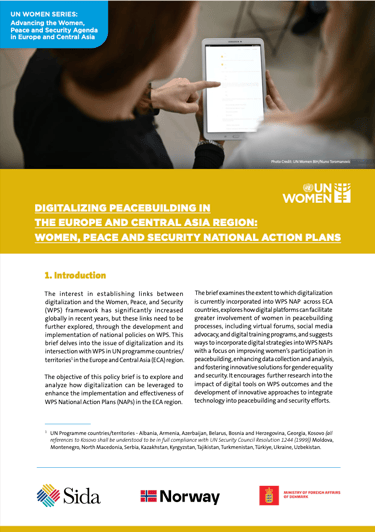
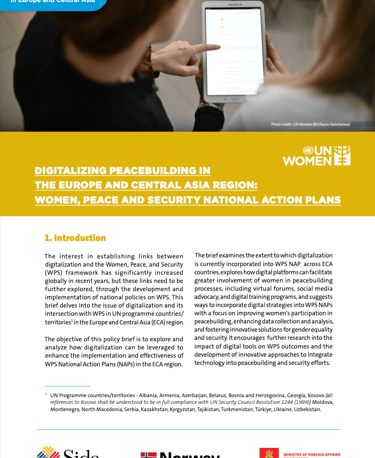
UN Women Europe and Central Asia (2024)
This research report (Lead consultant) investigates the links between digitalization and the Women, Peace, and Security agenda in the Europe and Central Asia region, and assesses how digitalization can be leveraged to improve the implementation and effectiveness of WPS National Action Plans in the region.
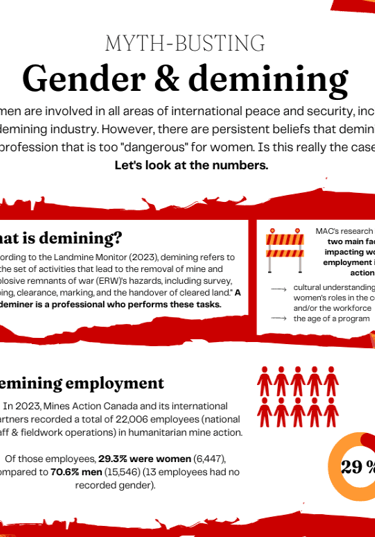
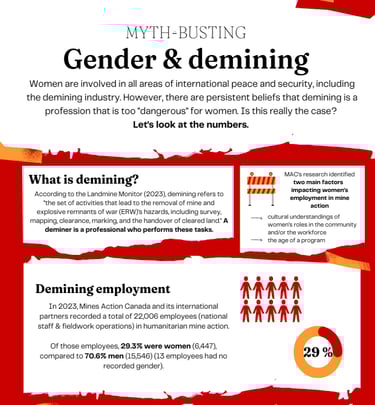
Mines Action Canada (2023)
This project examined women's employment in humanitarian mine action through a sector survey. It also identified successes in gender mainstreaming in mine action and highlighted areas for improvement in the sector. The project resulted in multiple outcomes beyond the report itself, including infographics and a launch event at the 21st Meeting of States Parties to the Mine Ban Treaty in Geneva.
YOU CAN ALSO FIND ME ON